
Articles from Yergey & Yergey, P.A.
Practical guidance on Florida probate, estate planning, guardianship, and trust law — written by attorneys who practice it every day in Orange County and the surrounding circuits.
Estate Planning
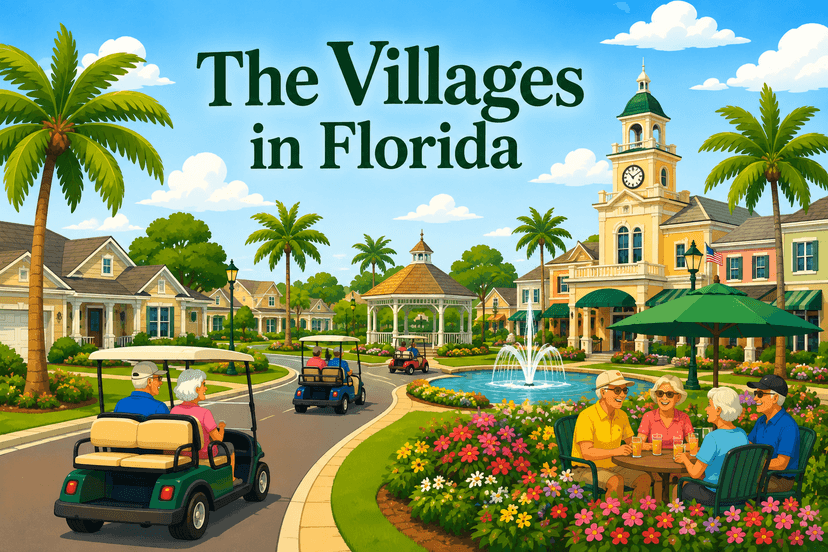
The Villages Estate Planning: Which County's Probate Court Will Your Plan Land In?
The Villages sprawls across three counties, and your address decides which probate court your estate one day uses. Here is how domicile and venue work for Villages residents.
Probate
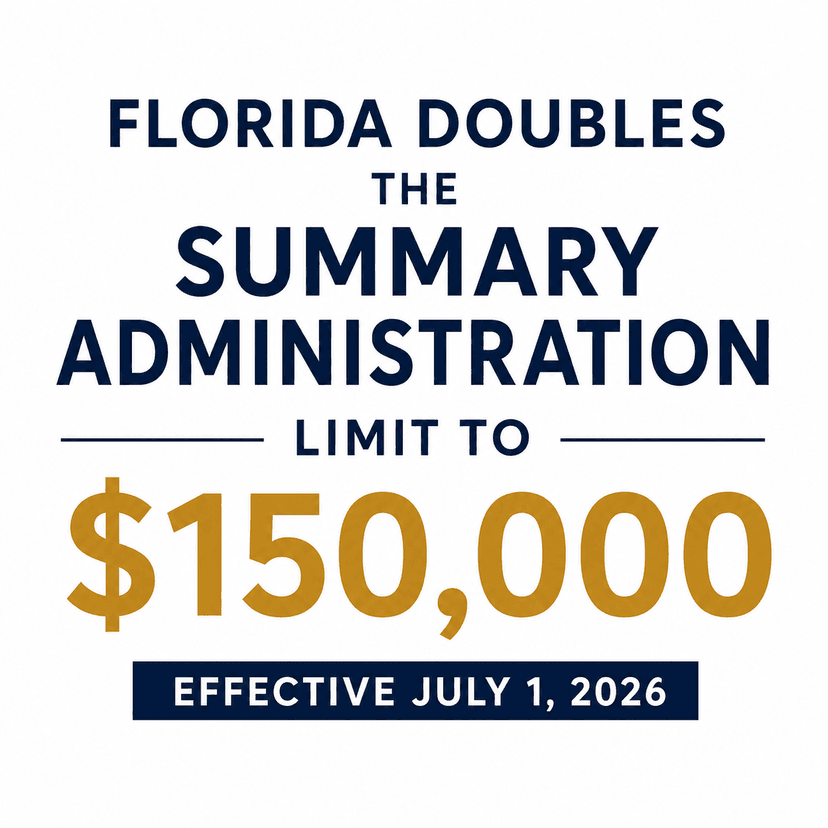
Florida Doubles the Summary Administration Limit to $150,000: What Families Need to Know
Florida Doubles the Summary Administration Limit to $150,000: What Families Need to Know "I thought Florida probate always required a full formal administration." Not always. And beginning July 1, 2026, more Florida families may have access to a faster, less burdensome probate process. Florida has…
.png&w=828&q=75&dpl=dpl_5NhYcq3aMY5pUGZvmTrHr3Jkmvvu)
Mediation
7 Surprising Facts About Mediation in Florida Probate and Trust Disputes
Most people picture mediation as two angry relatives sitting across a conference table while an attorney referee splits the difference — and everyone goes home mildly unhappy. The reality, especially in Florida probate and trust disputes, is far more interesting than that. Here are some things…
Guardianship
Guardianship in Orange County Florida: The Orlando Process
When a loved one can no longer make safe decisions, guardianship in Orange County, Florida may be necessary. Here is how the process works in the Orlando Probate Division.
.png&w=828&q=75&dpl=dpl_5NhYcq3aMY5pUGZvmTrHr3Jkmvvu)
Firm News
Court Delays Explained: What Happens Behind the Scenes
Why Court Paperwork Can Take Time When a probate matter is moving smoothly, it is tempting to assume that filing a document means the next document will appear immediately. Unfortunately, the court system does not operate like an online checkout page—despite everyone’s understandable preference…
.png&w=828&q=75&dpl=dpl_5NhYcq3aMY5pUGZvmTrHr3Jkmvvu)
Estate Planning
Unmarried Couples Estate Planning in Florida: What Orlando Partners Need to Know
Unmarried couples estate planning in Florida is essential because partners have no automatic inheritance rights. Orlando couples need wills, powers of attorney, and healthcare surrogates.
Tax
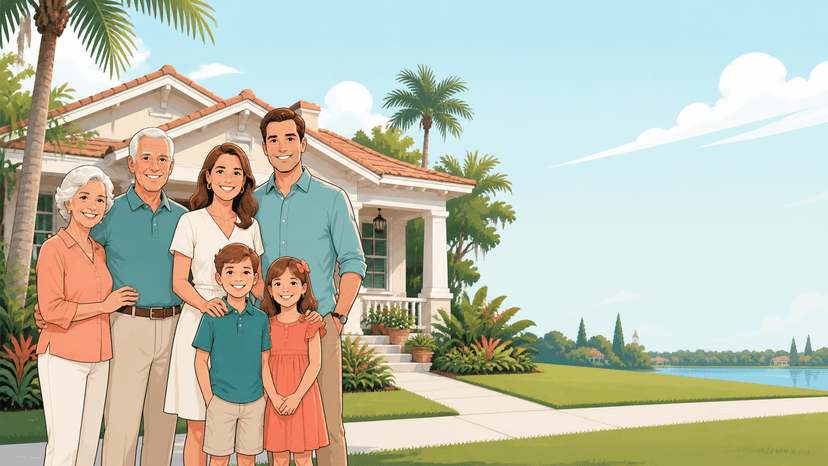
Trump Accounts Explained: A Guide for Florida Families
Trump Accounts Explained: A Guide for Florida Families If you have welcomed a child or grandchild recently — or expect to before the end of 2028 — the federal government has, unusually, offered to help pay for the future. The One Big Beautiful Bill Act created a new tax-advantaged savings vehicle…
.png&w=828&q=75&dpl=dpl_5NhYcq3aMY5pUGZvmTrHr3Jkmvvu)
Probate
Mobile Home Probate in Florida: How Manufactured Homes Pass at Death in Central Florida
A mobile or manufactured home can be titled like a vehicle or declared real property, and that distinction changes how it passes at death. Here is what Central Florida families need to know about retitling for heirs.
.png&w=828&q=75&dpl=dpl_5NhYcq3aMY5pUGZvmTrHr3Jkmvvu)
Trust Administration
Surprising Facts About Trust Administration in Florida Most People Never Learn
Most Floridians who set up a living trust assume the hard work is done once they sign the documents — but trust administration is where the real complexity begins. Florida's Trust Code, found in Chapter 736 of the Florida Statutes, contains rules and requirements that routinely catch even…
Estate Planning
Florida Estate Planning Myths Debunked: What Orlando Residents Really Need to Know
Estate planning has a reputation for being complicated, expensive, and — let's be honest — something people put off for years. A lot of that hesitation comes from misconceptions that simply aren't true, especially under Florida law. Let's clear the air on some of the most common myths so you can…